September 23, 2026
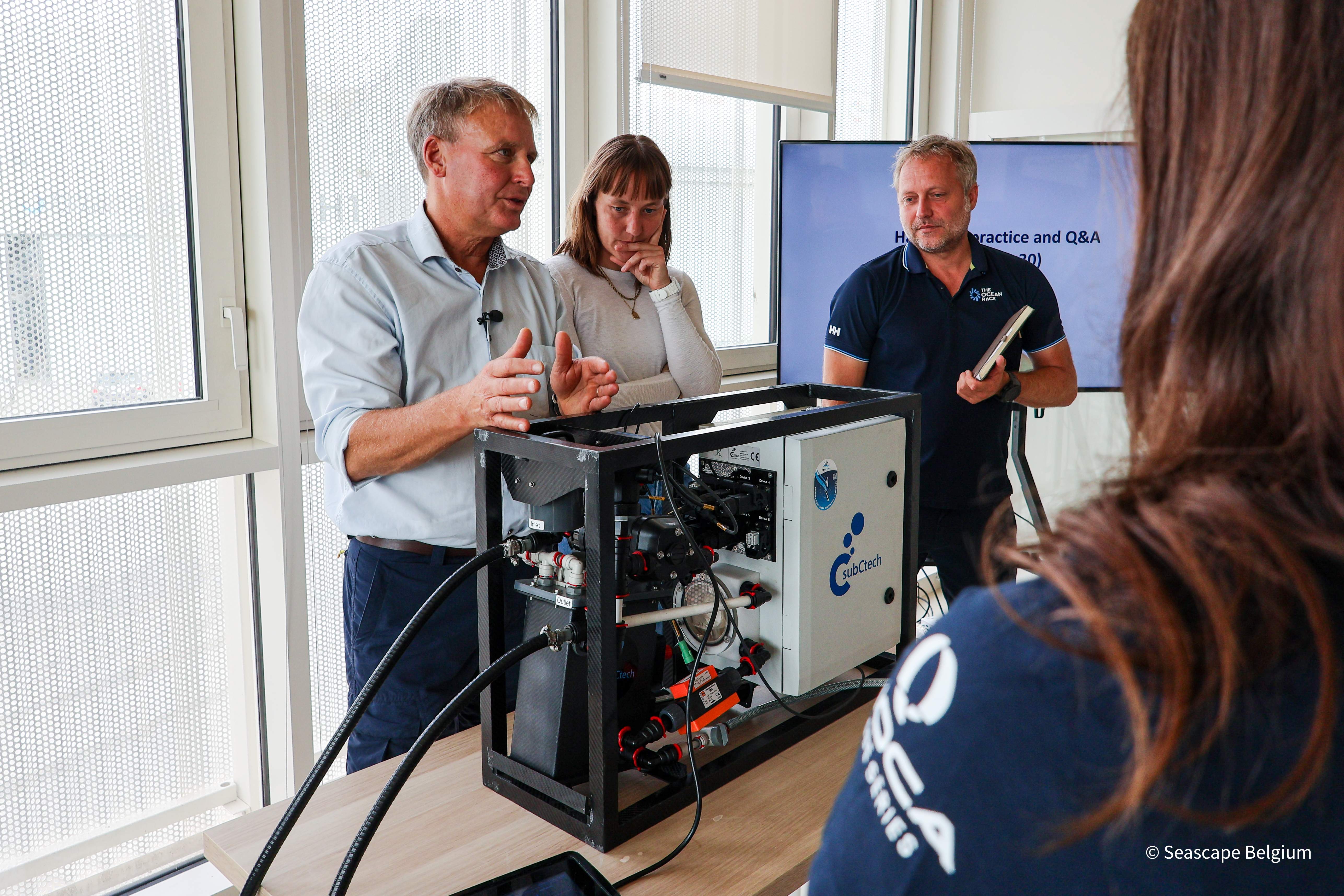
The Ocean Race Round the World 2027 may be a few months away but today in Lorient at our partner IMOCA’s headquarters, the TRICUSO team is meeting with sailors and technical teams to get up close and personal with the OceanPack.


The Ocean Race Round the World 2027 may be a few months away but today in Lorient at our partner IMOCA’s headquarters, the TRICUSO team is meeting with sailors and technical teams to get up close and personal with the OceanPack.
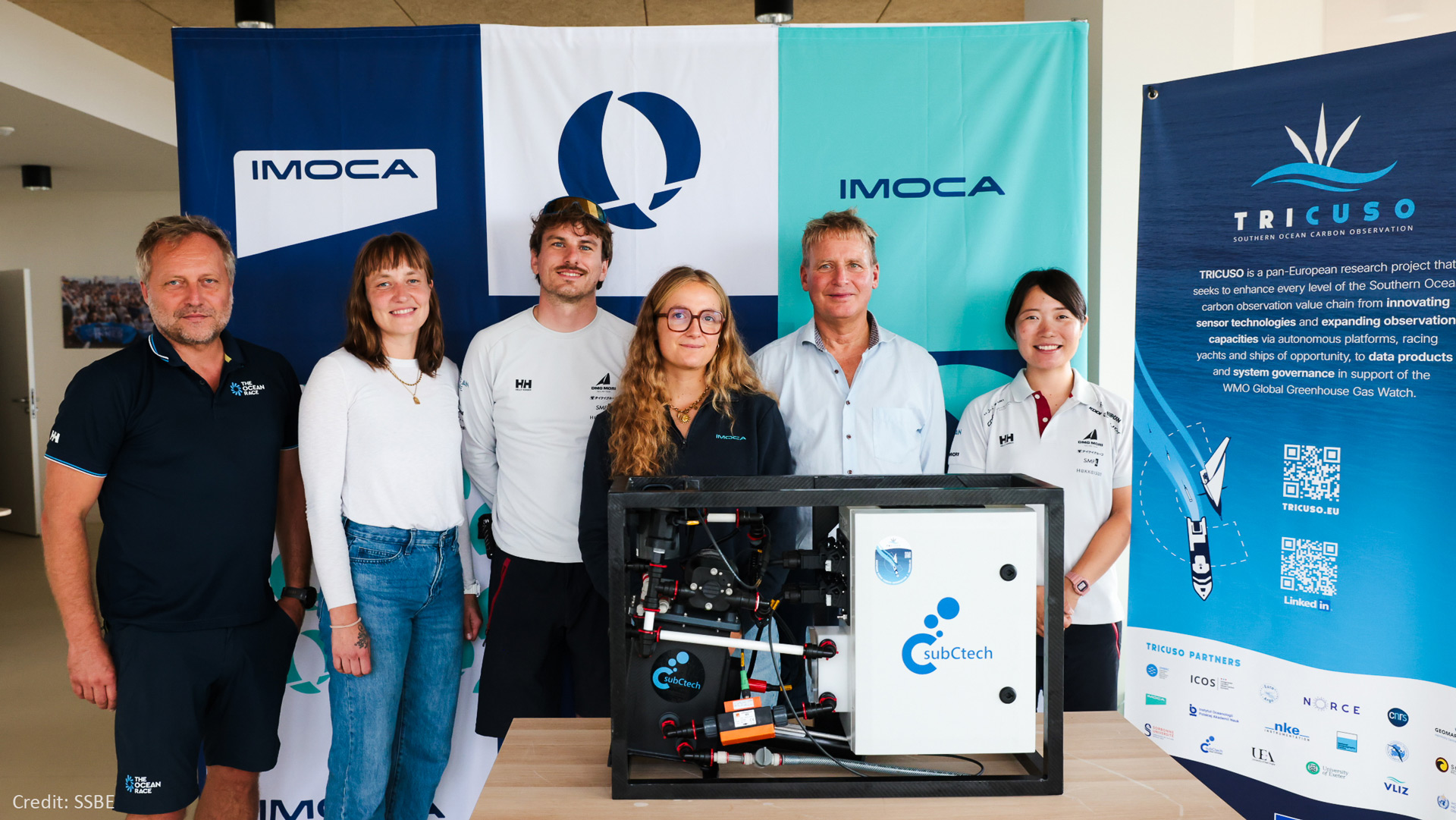
We are pleased to announce that the DMG MORI sailing team and its stunning new IMOCA class will be joining our quest to collect much-needed data in the Southern Ocean by hosting TRICUSO’s innovated SubCtech OceanPack™ RACE during the Ocean Race - Round the World...
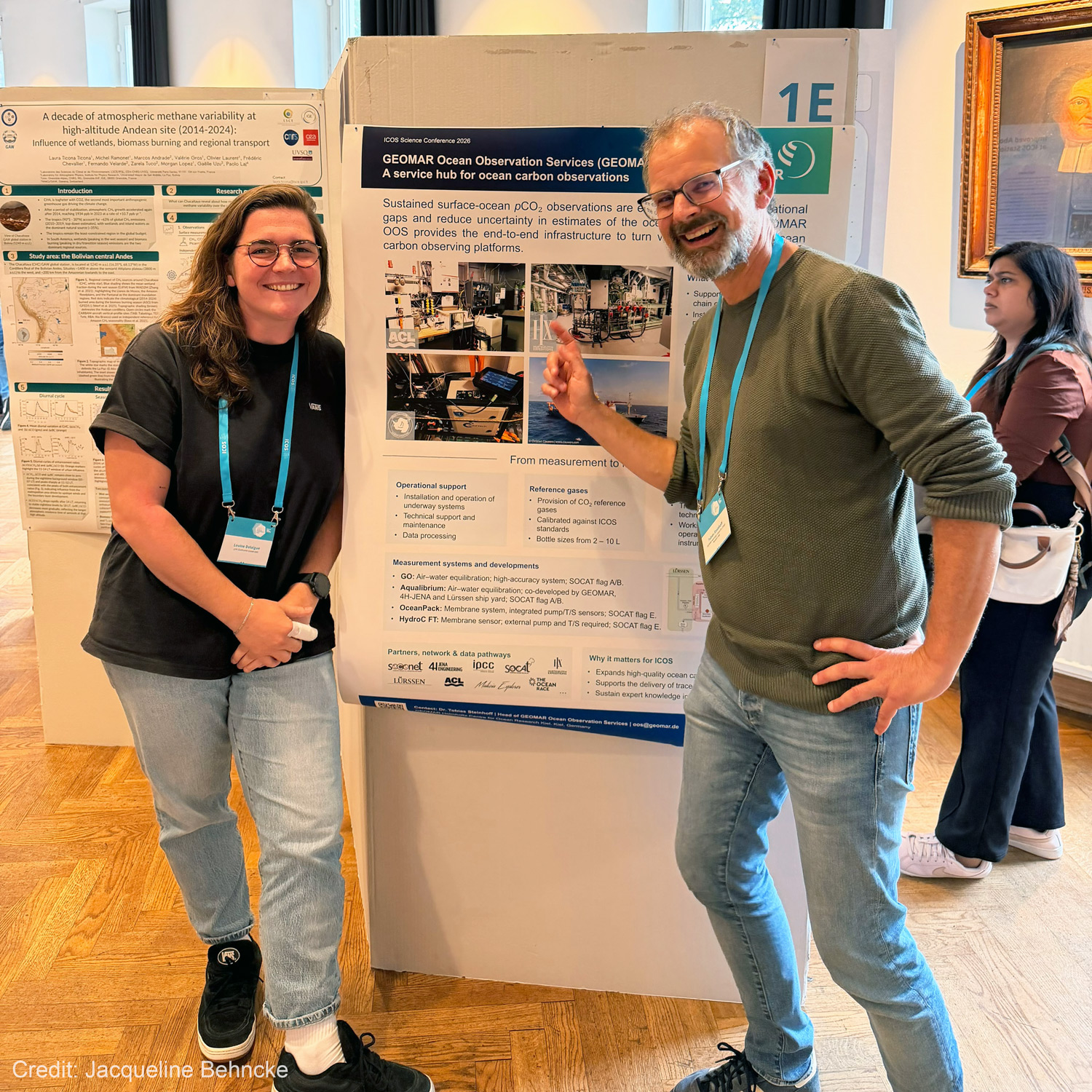
TRICUSO work was presented at the ICOS Science Conference 2026 in Lund, Sweden, in poster and oral sessions throughout the week.

Our Summer/Winter Season saw the achievement of many milestones around project innovations and methodologies, and participation in a number of workshops and meetings with SOCAT, SOCONET, SCAR, Polar Argo and others. TRICUSO researchers were also busy accomplishing quite a few milestones in observing network design...

TRICUSO is supporting Europe’s contributions to the important International Bio-GO-SHIP programme. Learn about the first cruise that delivered on this objective from Sophie Clayton.
The European Ocean Carbon Summit is a campaign driven by a coalition of Horizon Europe projects focussed on ocean carbon to jointly summarise the aims and achievements of this EU investment portfolio and make recommendations for future funding actions; findings will be presented at an...
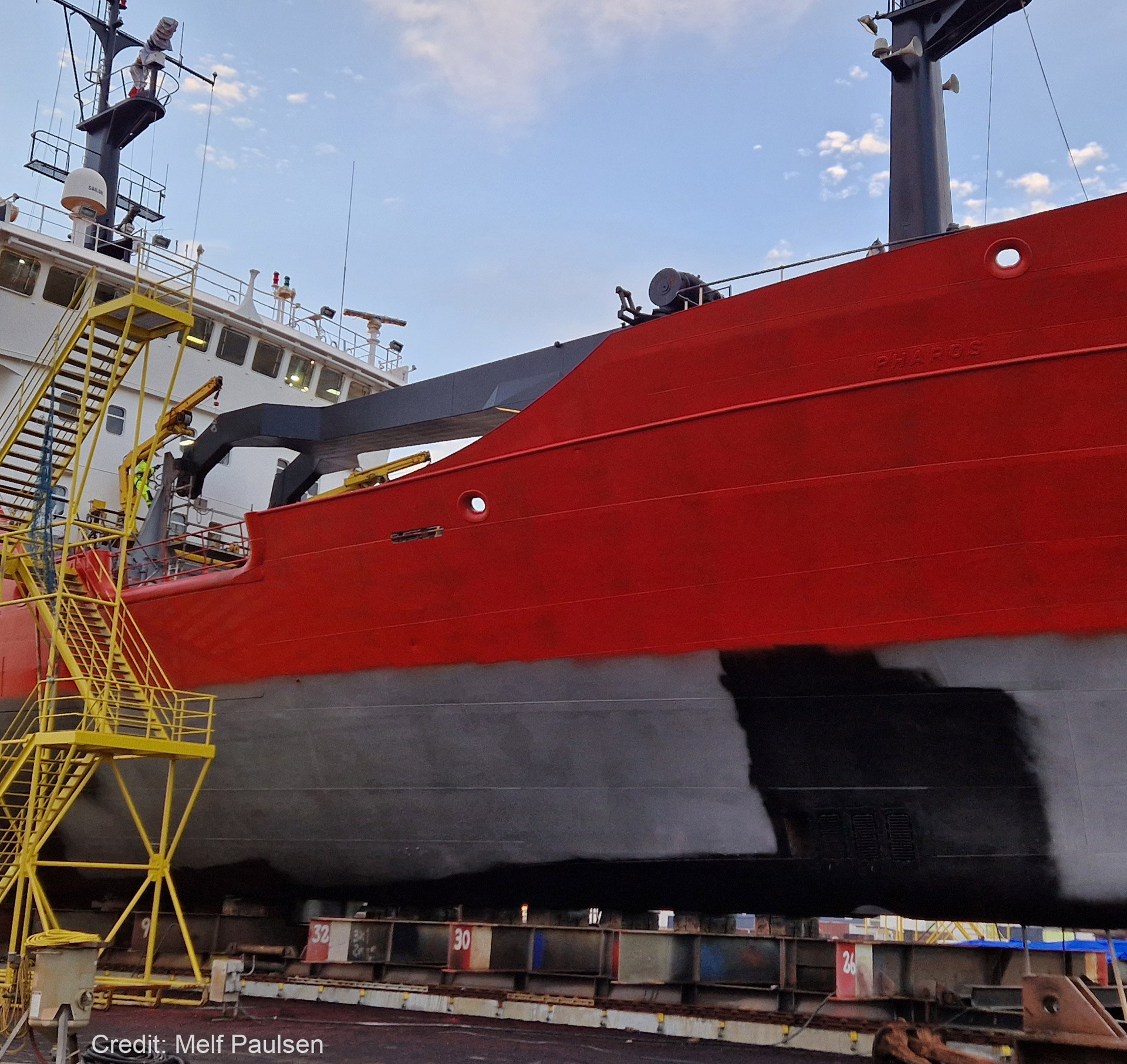
Down Under in the Southern Ocean, the TRICUSO team has achieved another great success with the implementation of a surface pCO₂ sensor – an underway system on the MV Pharos, enabling crucial measurements of the surface ocean’s uptake of carbon.
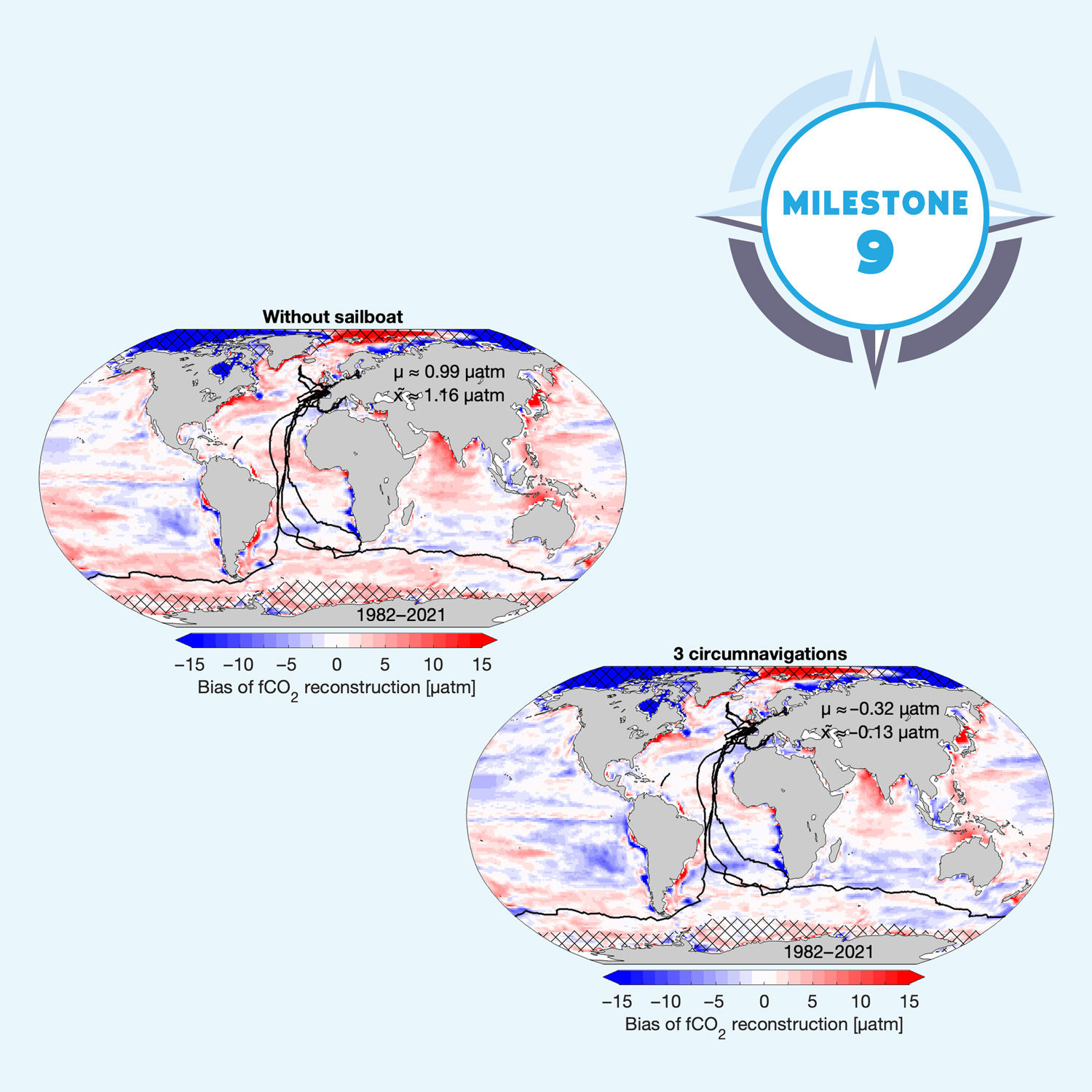
To improve the accuracy of the ocean carbon sink estimates, racing yachts and fishing vessels are being equipped with underway sensors able to measure CO₂. Milestone 9 describes the diagnosis of an optimal sailing yacht equipment fitting strategy and the studies it is based on.

The 2026 release of the Surface Ocean CO₂ Atlas (SOCAT) marks a landmark moment for ocean carbon science and for the TRICUSO project. With 44 million quality-controlled measurements now publicly available, SOCAT v2026 offers an unprecedented window into the health of the ocean carbon sink.

For the first time, a new approach to characterise surface ocean pCO₂ variability using observations from multiple Research Infrastructures, which disentangles the anthropogenic and circulation-driven contributions to observed pCO₂ changes, has been successfully validated at reference ocean time-series stations and extended to the Southern Ocean.

Partner NOC’s lab-on-chip technology miniaturises analytical laboratory methods into compact autonomous sensors. For this milestone, the focus has been on the TADIC sensor, which combines two carbonate-system measurements within a single autonomous lab-on-chip platform…

This has been a productive stretch for the project, and June looks set to be a highlight, with milestones arriving across sensor integration on autonomous platforms, observing system design, engagement with the racing yacht industry, and the first steps toward building an international governance structure...

A new observation-based estimate of the Southern Ocean carbon sink, south of 30°S, has been achieved by using machine learning to combine traditional ship-based measurements from SOCATv2025 with year-round data from autonomous Biogeochemical-Argo (BGC-Argo) floats.

The TRICUSO team at partner GEOMAR has achieved a project milestone of advancing data quality improvement of the SubCtech OceanPack™ through a dedicated long-term laboratory trial.

Wind drives ocean circulation, mediates the air and sea gas exchange and shapes biogeochemical processes. Yet, we have a shortage of direct wind measurements in the Southern Ocean where the most important conditions are the hardest to observe. See how TRICUSO is addressing this challenge...

Check out our project’s colourful factsheet and learn how TRICUSO is delivering a roadmap for the optimal surface Ocean pCO₂ observing system via novel sensor technology, various platforms, mapping and data synthesis.

TRICUSO sailed into its second year with the consortium gathering in Bergen, Norway for the project’s annual meeting, which included special guests from international and Southern Ocean organisations. With two town halls and a co-hosted session, team members shared TRICUSO’s ambitions and progress at the...

The TRICUSO project and members of its consortium made a healthy splash in the heavily populated waters of OSM26. Held in Glasgow, Scotland, this was the first time the prestigious conference took place outside the United States, and it was a welcome setting for two...

In the game of ocean observation bingo, it’s fair to say Richard’s card is relatively full and yet somehow his capacity seemingly expands to accommodate new challenges. So, we thought the tide was in a good place to cast a few rounds of questions and...

International Day of Women and Girls in Science supports shaping a future where science and gender equality advance together. TRICUSO marked the 2026 annual occasion by asking some of our colleagues to encourage women to consider a career in science.

TRICUSO’s first video showcases the beautiful scenery of the Antarctic region and focuses on early project stories. It features interviews with consortium scientists discussing the need to expand the capacity for observation in the Southern Ocean where an increase in data is needed to help...

TRICUSO recently reached a significant project milestone when the inaugural Steering Committee Meeting for the Surface Ocean CO₂ Observing Network (SOCONET) took place in Bergen, Norway on 16-17 of January to establish the network’s governance structure.

Kicking off a new year, with a new trial. TRICUSO colleagues from partners Euro-Argo and CNRS-IAS in collaboration with our sister project GEORGE, have been innovating acoustic wind sensor technology on floats, building on the work from a trial they undertook late last year.

The TRICUSO consortium gathered in Bergen, Norway for the project’s first annual meeting offering a chance to review progress and achievements made in the first year, share insights and expertise, and look at the key activities needed to support TRICUSO’s objective of enhancing every level...

It’s been a productive season. In this issue, TRICUSO meets its first ship of opportunity to trial the updated OceanPack RACE instrument, we learn about advancements in acoustic sensor development and an acceleration in SOCONET towards international governance, TRICUSO is represented at the WMO G3W...


